More than just a way to clear your head and get your hands dirty, gardening is a hobby blossoming with benefits. Studies have shown that gardening can have a beneficial effect on holistic wellbeing, ranging from improved surgery recovery to better mental welfare
Green thumbs up: why gardening is great for the body and mind
ARTICLE
8 February 2022

 3 mins read
3 mins read
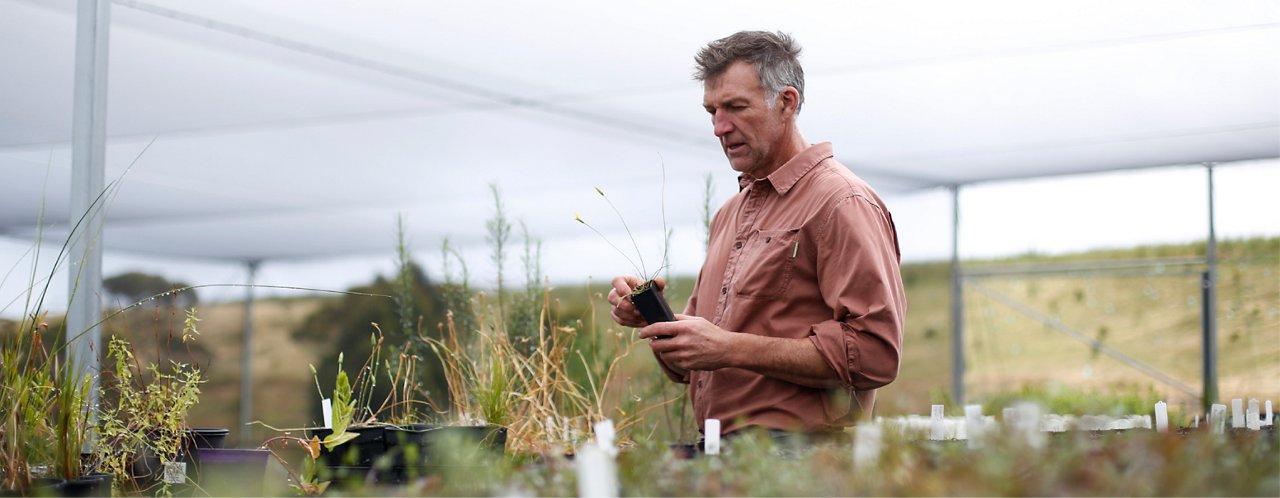
Gardening provides more than just beautiful flowers and greenery – the ancient practice also works wonders for your physical, mental and social health. Plus, having a green thumb at home can also net you a bounty of healthy, sustainable food.
A surprising source of physical exercise
A simple project like planting a small veggie garden can be a great workout for the whole body. A study from Harvard even found the number of calories burned in 30 minutes of gardening was comparable to playing sports like badminton, volleyball and gymnastics.
And there’s no age limit on having a green thumb. Research from the government’s Better Health Channel shows that only one in 10 Australians over 50 exercise enough to gain any form of cardiovascular benefit, so a healthy hobby like gardening can be a good form of exercise for older people who might require more physical exercise.
A full body activity, gardening encourages use of all motor skills and improves endurance and strength and does wonders for your flexibility. Spending some time in the sun is also a natural and efficient way to soak up Vitamin D – which over 30 per cent of Australians are deficient in.
A green stress-reliever
Tending to a garden and spending time in nature is an excellent opportunity to get away from the stresses of everyday life. A 2016 study found that participants who engaged in 30 minutes of gardening reported greater mental health – improvements in mood and self-esteem – compared to those who didn’t. And you don’t need a big backyard to benefit: even a small patch of green has been said to reduce cortisol – the stress hormone.
If you don’t have access to a personal garden, community gardening is an alternative you can try. A 2019 Melbourne study found regular community gardeners enjoyed building social connections and learning from each other. Community gardens offer a form of escapism from stressful urban environments and can provide a sense of belonging and a place of identity and attachment for like-minded green thumbs.
Try introducing natives
Native vegetation plays a crucial role in the health of our environment. It reduces land degradation and salinity, improves water quality and provides habitats for a variety of species, which in turn increases and improves biodiversity in our ecosystem. Plus, native flora doesn’t require fertilisers or pesticides – which saves you time and money. On your next visit to the nursery, have a look for some colourful and sweet-smelling natives that will entice more visitors to your garden.
Tim Jarvis: which native plants you should grow
Not just a pretty sight, many native plants also double as nutritious food.
- Kakadu plums and desert limes are high in vitamin C and other minerals
- Quandongs and native ginger have plenty of antioxidants
- Bush tomatoes and wattleseed are excellent sources of iron
- Native river mint, anise myrtle and hardenbergia make great tea infusions
You can usually purchase these as seeds or young plants at your local nursery.
Due to their nativity, these plants will be more resistant to our climate, surviving in high heat and with low water. Planting more local flora will also encourage birds to visit, which will help improve the biodiversity for your local ecosystem. It’s a continuous upwards spiral of good news for both you and the environment.

Tim Jarvis
AIA Ambassador Tim Jarvis is a world-renowned polar explorer, expedition leader and environmental scientist. With a focus on sustainability, Tim has more than 25 years’ worth of experience in his respective fields, and a wealth of knowledge when it comes to helping teams and individuals perform at their highest level.
Disclaimer:
Copyright © 2022 AIA Australia Limited (ABN 79 004 837 861 AFSL 230043). This is general information only, without taking into account factors like the objectives, financial situation, needs or personal circumstances of any individual and is not intended to be financial, legal, tax, medical, nutritional, health, fitness or other advice. The source information of the articles is current as of the date of publication and may be subject to change. While the information contained herein is believed to be accurate, AIA Australia expressly disclaims any and all liability for representations or warranties, expressed or implied, contained in, or for omissions from, the information.
Copyright © 2022 AIA Australia Limited (ABN 79 004 837 861 AFSL 230043). This is general information only, without taking into account factors like the objectives, financial situation, needs or personal circumstances of any individual and is not intended to be financial, legal, tax, medical, nutritional, health, fitness or other advice. The source information of the articles is current as of the date of publication and may be subject to change. While the information contained herein is believed to be accurate, AIA Australia expressly disclaims any and all liability for representations or warranties, expressed or implied, contained in, or for omissions from, the information.
Share


This inspirational content is brought to you by AIA Vitality
AIA Vitality is a science-backed program that helps you learn more about your health,
offers ways to improve it and motivates you with rewards along the way.
offers ways to improve it and motivates you with rewards along the way.

